

Stablecoins Are Becoming A Treasury Product
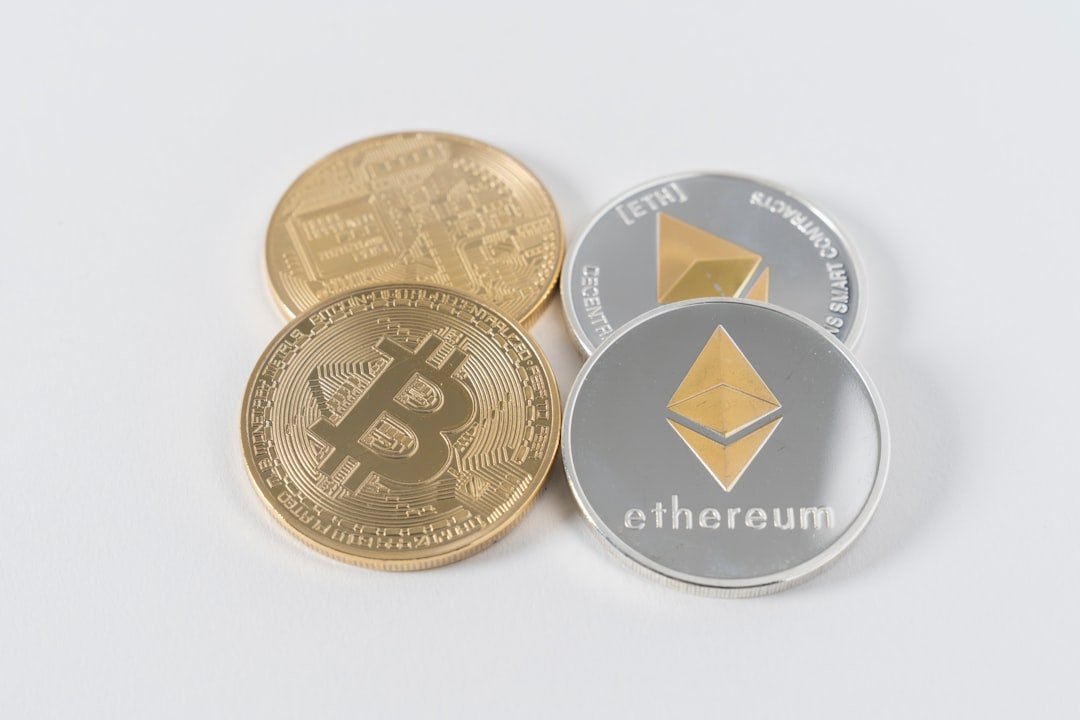
tablecoins spent their early years closely associated with cryptocurrency trading, where investors used dollar-linked tokens to move between exchanges and digital assets without returning constantly to conventional bank accounts. Corporate adoption is beginning to broaden that role because finance teams can increasingly use regulated digital money for cross-border settlement, supplier payments and liquidity management, bringing stablecoins into competition with parts of the banking infrastructure that companies already use every day.
The attraction becomes easiest to understand in international payments. A company sending money between two countries normally relies on banks, correspondent relationships, cut-off times and foreign-exchange processes that developed around business hours and national payment systems. Stablecoin networks can operate continuously, which allows two parties to transfer a dollar-denominated asset without waiting for both banking systems to open. The economic advantage depends on the transaction, since conversion costs, compliance requirements and access to local currency can remove part of the saving, but the ability to settle outside traditional banking hours changes how companies can manage payment timing.
Treasurers care less about the novelty of the token than about what happens before and after the transfer. A useful corporate stablecoin therefore needs reliable redemption into bank money, deep liquidity, predictable transaction costs and an issuer whose reserves and governance satisfy institutional risk requirements. As regulation becomes clearer in major markets, those questions increasingly resemble ordinary counterparty and cash-management decisions rather than the speculative considerations that dominated the earlier crypto market.
Banks are responding because stablecoins potentially separate payments from deposits. When a corporate client keeps money in a bank account, the bank can use part of that funding within its balance sheet; when the same client holds a stablecoin issued elsewhere, the economic relationship changes even if the token ultimately holds reserves inside the banking system. Financial institutions consequently have an incentive to develop tokenised deposits and other forms of digital money that preserve the advantages of programmable settlement while keeping customers inside bank infrastructure.
Corporate adoption will probably produce a mixed system rather than a universal replacement for deposits. Payroll, taxes and domestic supplier payments already work efficiently through established banking networks in many developed markets, whereas international transactions involving different time zones, currencies or less efficient correspondent routes offer stronger reasons to experiment. Companies may therefore use digital money selectively, much as they already choose between cards, bank transfers, direct debits and specialised payment providers according to the transaction.
Liquidity management could eventually become more interesting than payments themselves. A multinational group may hold cash across numerous subsidiaries and jurisdictions because moving money between entities requires time, documentation and banking coordination. Digital settlement can shorten some of those movements, particularly when tokenised deposits, stablecoins and tokenised financial assets begin operating within compatible networks. Treasury teams could then move from cash into short-term investments and back again without passing through as many separate operational systems.
That possibility links stablecoins to the broader tokenisation of financial markets. A tokenised money-market fund becomes considerably more useful when an investor can purchase or redeem it using digital cash on compatible infrastructure, while tokenised collateral becomes easier to mobilise when the cash leg of the transaction can settle at similar speed. Stablecoins therefore occupy one component of an emerging financial architecture in which assets and payments increasingly share programmable settlement rails.
Companies still need to examine risks that conventional bank money handles differently. Stablecoin issuers depend on reserve management, redemption arrangements and technology infrastructure, while blockchain transactions can introduce operational risks around wallet controls and irreversible transfers. A finance department accustomed to dual authorisation for bank payments needs equivalent governance when employees can move digital assets, particularly because possession of cryptographic credentials can translate directly into control over funds.
Accounting and compliance add another layer because companies need systems capable of reconciling blockchain transactions with invoices, counterparties and internal ledgers. A payment that settles within seconds still creates administrative work if the accounting team has to identify it manually afterwards. Enterprise adoption therefore depends increasingly on software that hides much of the underlying blockchain complexity and connects digital transactions to familiar treasury and ERP systems.
The corporate market will probably reward providers that make stablecoins feel less like cryptocurrency. Finance directors generally do not want employees choosing networks, managing gas fees or copying wallet addresses between applications; they want payment infrastructure that integrates with existing approval procedures while improving settlement speed or reducing friction. As providers abstract those technical details, competition will shift towards reliability, liquidity, compliance and integration.
Stablecoins entered finance as digital tokens designed to maintain a fixed value. Their next phase is developing around a more conventional proposition: companies need money that can move internationally when their business requires it, rather than when the banking day permits it. Whether stablecoins capture a substantial share of corporate cash flows will depend less on enthusiasm for blockchain than on whether they can perform that ordinary treasury function more efficiently than the alternatives.


