

Lower Rates Are Exposing the Stablecoin Business Model
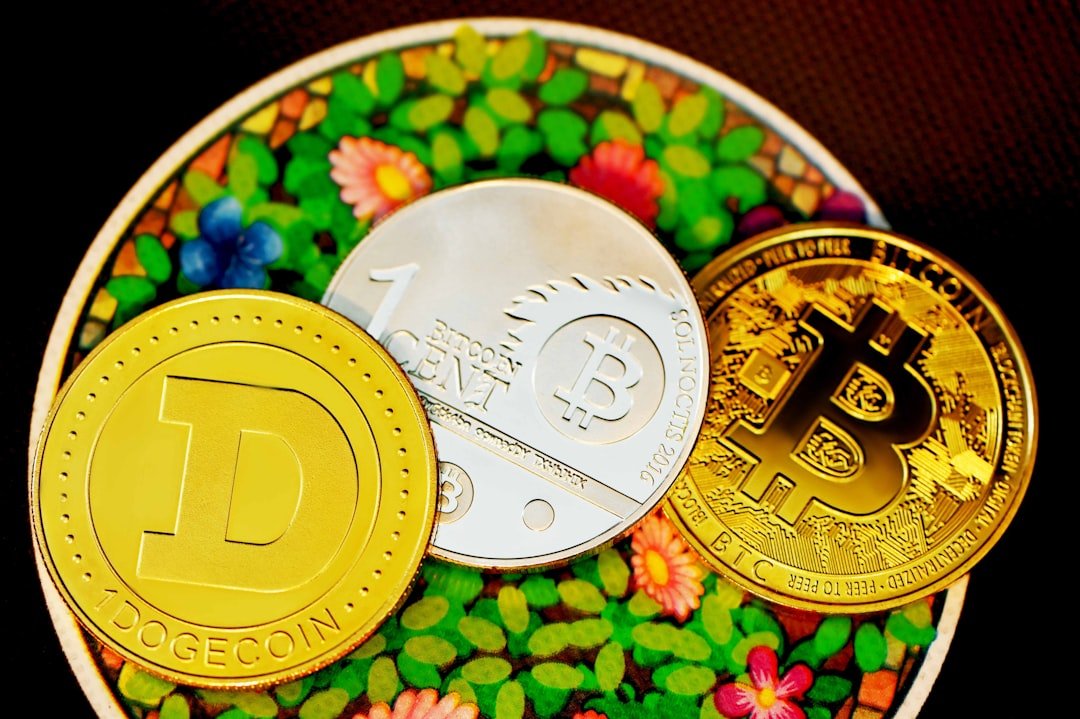
Stablecoin issuers have spent the past several years presenting themselves as builders of a new payments infrastructure. Their financial results still depend heavily on an older and simpler activity: earning interest on the assets that back their tokens.
That model becomes highly profitable when policy rates are elevated. An issuer receives dollars from users, invests much of the reserve in cash and short-dated government securities, and retains a large part of the resulting income. The token holder receives stability and liquidity, while the issuer receives the yield.
Falling interest rates weaken that arrangement without reducing the operational burden of running the network. Stablecoin companies still need compliance systems, banking relationships, liquidity, distribution and technical infrastructure. They simply earn less on each dollar held in reserve.
Circle’s latest results illustrate the pressure. USDC circulation increased strongly, and on-chain transaction volume expanded, yet lower reserve yields weighed on revenue. The company reported that the yield earned on its reserve assets had fallen to 3.5 per cent. Its revenue grew, but it missed market expectations despite continued adoption of the token.
The result does not suggest that stablecoins are failing. It shows that adoption and profitability are becoming separate questions.
The High-Rate Period Hid a Strategic Weakness
Stablecoin issuers benefited from an unusually favourable combination after global interest rates rose. Demand for dollar-denominated tokens increased at the same time that the reserves backing those tokens began generating substantial income.
The issuer did not need to persuade every user to pay directly for the service. Holding the reserve created the revenue.
That arrangement allowed stablecoin companies to expand distribution, subsidise integrations and build payment infrastructure while presenting the token itself as inexpensive to use. It also made the business appear unusually scalable. Every additional dollar in circulation increased the pool of income-generating assets.
A lower-rate environment changes the economics. Issuers must generate greater circulation merely to preserve the same level of reserve income. They may also need to share more of that income with exchanges, wallets and institutional distributors that help attract balances.
The stablecoin market can therefore continue growing while margins narrow.
Distribution Is Becoming More Expensive
A stablecoin does not gain adoption simply because its reserves are safe or its blockchain transactions settle quickly. Users need access through exchanges, payment providers, wallets, financial institutions and corporate treasury systems.
Those intermediaries understand the value of the balances they deliver.
As competition intensifies, issuers may need to offer revenue-sharing agreements or other commercial incentives to secure distribution. A large platform can direct users toward one stablecoin rather than another, giving it considerable negotiating power.
This creates a tension at the centre of the model. The issuer earns income because users hold the token, but the platform controlling the customer relationship may claim part of that income.
The strongest stablecoin companies will therefore need more than large reserves. They will need distribution that they control or services that make their token difficult to replace.
Payments Must Become a Real Revenue Line
Stablecoin companies frequently describe payments as their long-term opportunity. The claim is credible. Stablecoins can support rapid cross-border settlement, programmable transfers and continuous availability outside traditional banking hours.
Yet payment volume does not automatically produce meaningful revenue.
A token may move between exchanges, wallets and trading venues many times without creating a significant fee for the issuer. Public blockchain data can also overstate the amount of genuine commercial activity because transfers include trading, internal wallet movements, automated activity and repeated circulation of the same funds.
Research examining stablecoin payment data has warned that headline transfer volumes should not be interpreted as equivalent to economic payments. One analysis estimated that genuine payment activity represented only a fraction of the much larger gross transfer figures visible on public blockchains.
Issuers must therefore convert stablecoin usage into services for which businesses will pay. These may include treasury management, foreign-exchange conversion, compliance, custody, liquidity provision and integration with corporate accounting systems.
The token provides the settlement asset. The surrounding services provide the commercial relationship.
Tokenised Assets Create Another Opportunity
Stablecoins may also become settlement instruments for tokenised securities and funds. As traditional financial institutions place bonds, money-market products and other assets on programmable infrastructure, they need a form of digital cash that can move at the same speed.
This opportunity is attracting stablecoins, tokenised bank deposits and other forms of digital money.
The competition will not depend solely on technical performance. Financial institutions will examine legal claims, redemption rights, regulatory treatment, liquidity and the identity of the issuer. A bank may prefer tokenised deposits for transactions within its own network, while market participants operating across public blockchains may value the portability of a stablecoin.
The result is unlikely to be one universal digital dollar. Several forms of tokenised money may coexist, each serving different networks and counterparties.
Stablecoin issuers that become embedded in tokenised capital markets could create fee-generating services beyond reserve income. Those that remain primarily trading instruments may find it harder to diversify.
Rate Sensitivity Will Influence Valuations
Investors assessing stablecoin companies need to treat interest rates as a central operating variable.
A stablecoin issuer may resemble a payments company in its strategic language, a technology company in its infrastructure and a financial institution in the way it earns revenue. Its results can rise or fall with reserve yields even when user activity moves in the opposite direction.
That hybrid profile complicates valuation.
Growth in circulation remains important because it expands the reserve base and signals adoption. However, investors also need to understand how much revenue the issuer earns from each unit of circulation, how much it shares with distributors and whether non-interest services are developing quickly enough to offset declining yields.
A stablecoin company that cannot diversify its income remains a leveraged expression of short-term interest rates, even when the token processes billions of transactions.
The Industry Now Has to Prove Its Payments Thesis
High interest rates gave stablecoin issuers time and capital to build. Lower rates will reveal what they built.
Companies with durable distribution, institutional integrations and paid services can gradually reduce their dependence on reserve income. Those relying mainly on the spread between zero-yielding customer balances and interest-bearing reserves will face greater pressure.
Stablecoins may still become important financial infrastructure. The next stage requires their issuers to earn money because the infrastructure is useful, rather than because central banks made reserve assets unusually profitable.


